Driving License Isn't As Tough As You Think
New York Driver's License Restrictions 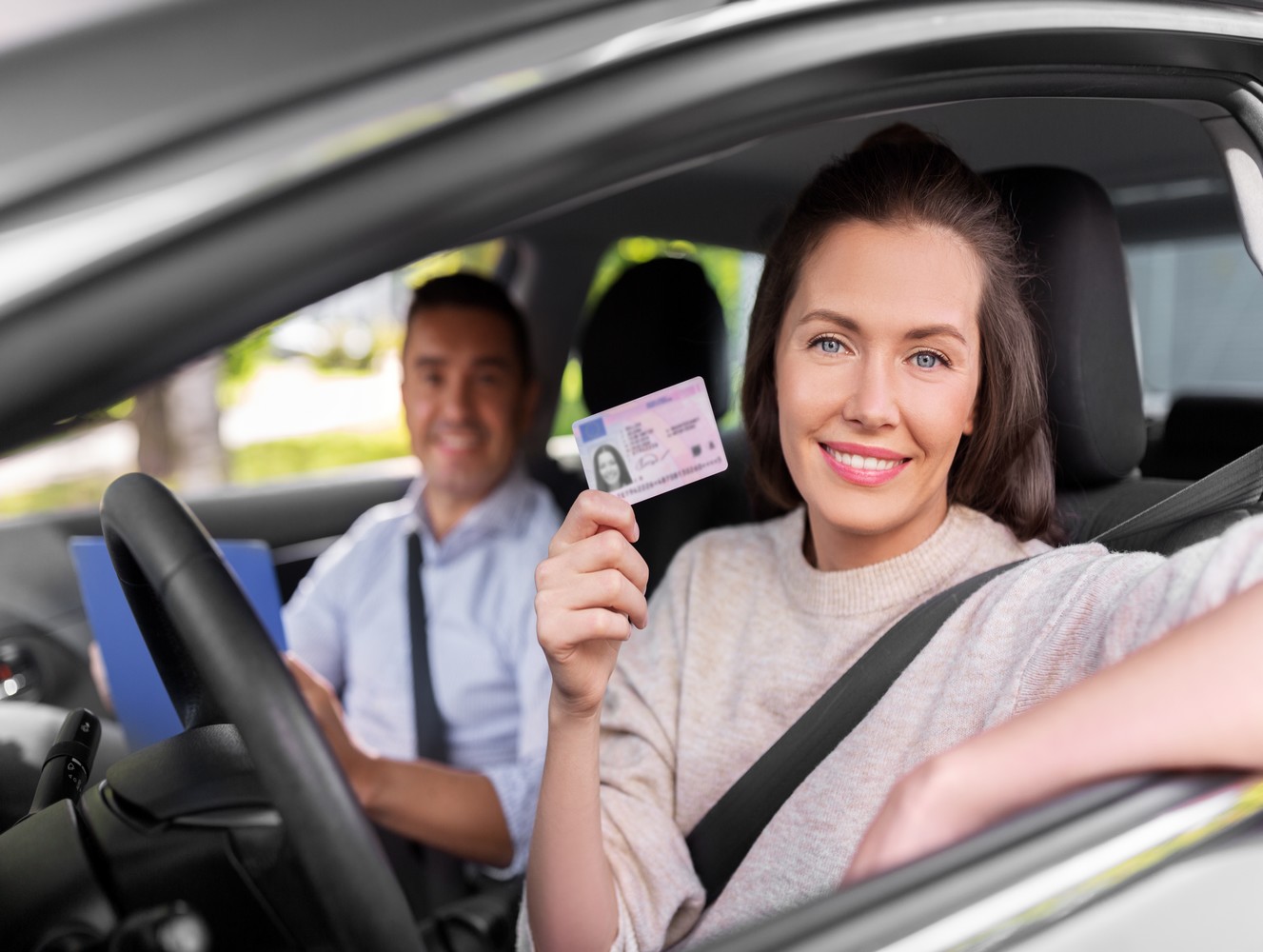 A driving license opens up many possibilities. However, it can also be a source of anxiety for young drivers as well as their parents. To ensure that you receive your driver's license in a safe and legal manner, follow these steps to make the process as easy as possible. Starting with a learner's permit is the first step toward getting your license. Learner's permit The learning to drive process is rigorous and can be a bit intimidating for new drivers. However, it's important to remember that this is an essential stage to develop safe driving habits that will be carried into the rest of your life. The learner's license is the first step towards becoming licensed to drive in New York. Visiting your local DMV to get your learner's permit begins with preparing well for the written test. Studying the official New York State Driver's Manual is a must, since all exam questions are pulled directly from the manual. Additionally, taking practice tests online or from third-party providers can help you prepare for the actual test and help you identify areas where more studying is required. After you have a solid understanding of the material then it's time to go to your local DMV and complete all required documents. The documents, application and payment in order will make the process much faster and more efficient. Making sure you confirm your appointment several weeks in advance is also advisable, as the spots fill up fast. When you go to the DMV at the DMV, you'll need to present proof of your identity and age (birth certificate or passport or permanent residence card). You will also need an application form, MV-44, that is completed and six points of identification. You will also need to pay an additional fee that varies depending on your location and your age. After completing all the necessary steps, you will take a test to determine your knowledge. Acheter le permis de conduire français B en ligne covers details from the New York State Driver's Manual and will assess your ability to identify road signs and traffic laws as well as safe driving habits. Studying the manual, taking practice tests and taking a driver education course are all great methods to prepare for your test. Once you pass your test If you pass your test, the DMV will issue a temporary learner's permit. This allows you to practice driving under the supervision a qualified supervising drivers, who must meet the age relationship, affluence and license requirements. The drivers who supervise you must sit next to you while you are behind the wheel, and must adhere to the driving restrictions set forth in the Graduated Driver License Law. As a beginner driver, you should practice with your supervisor as much as you can to improve your skills and increase your confidence. Record your driving hours to submit when you apply for an intermediate or full license. You can become a confident, responsible driver by following these guidelines. Have permis a – permis a2 on your journey! Restricted License A restricted license permits drivers to drive only under certain conditions. A court or Department of Motor Vehicles may grant you an limited license if driving privileges were suspended or cancelled because of DUI charges or other offenses. The restrictions of your license may differ by state. In most states, you are only allowed to travel between school, work or in treatment for alcohol or drug dependency programs as well as medical appointments. Certain states restrict driving during certain times of the daytime. In addition, you might be required to use an ignition interlock device (car breathalyzer) installed in your vehicle when you are on restricted license. This is a requirement that states in many states require drivers who have the DUI conviction. Intoxalock provides easy-to-install and use devices that make this process as easy as it can be. Our 24-hour customer service center can help you navigate the often complicated laws of your state to help you be back on the road in the shortest time possible. The conditions and restrictions will be based on your driving history and your current level of sobriety, as well as the reason behind your suspension. If your license has been suspended because of an DUI you could be qualified for a hardship license if you have completed the Impaired Driver Program and are first-time offenders. The results of your breath and urine tests, as well as blood or urine tests as well as your BAC will determine if are qualified for a hardship license. Most states require DUI offenders to undergo a period of “hard suspension,” which means you can't drive at all, before they'll be eligible for a limited driving privilege. You might also be required to complete an DUI traffic school course and have an ignition interlock device installed in your vehicle prior to being granted a hardship license. If you fail to adhere to the rules of your restricted license, you could be subject to more fines or even a longer time period with an ignition interlock device, or even the revocation of your driver's license. If your driver's license is suspended, you will not be able drive, and you'll have to rely on friends and family to get you to work or appointments. The process of obtaining a hardship or restricted license is not an easy procedure. It is recommended to speak with a criminal defense attorney who is familiar with driving laws and can advocate on your behalf. Your lawyer might be able to cut down the time it takes to install an ignition interlock device in a few instances if you are able to agree that one will be fitted in every car you own, and if you adhere to all requirements of the program for example, regular rolling retests and maintenance, and reporting requirements. Your attorney can help you to understand the complicated and confusing driving laws in your state.